
- County
- DuPage County
- Local places
- Lilacia Park · Four Seasons Park
- Median housing year built
- 1971 CMAP · ACS 2020–2024 estimates
Mid-century homes form a substantial part of the inventory
CMAP estimates that 39.9% of Lombard housing was built during 1940–1969, with a median construction year of 1971. For a home from that broad period, ask whether the current floor dates to construction or a later update.
Kitchens, halls and bedrooms may have been renovated independently. Show the transitions between affected spaces and identify any retained fixtures. The assessment should establish present layers and conditions rather than treat the city’s age profile as proof of original materials, hidden damage or a particular supporting-floor system.
Older interiors need specific preservation goals
Lombard’s housing profile includes an 8.6% share built before 1940. If an older property has trim, built-ins or a floor surface the owner wants to retain, document those details before discussing removal. A construction date alone cannot establish originality or historic significance. Photograph the actual connections and identify which components should remain untouched. The work scope can then describe how repair or a new surface meets them. This is more useful than assigning the same architectural story to every older home or assuming all existing finishes should be replaced.
Choosing the wood assembly before the finish
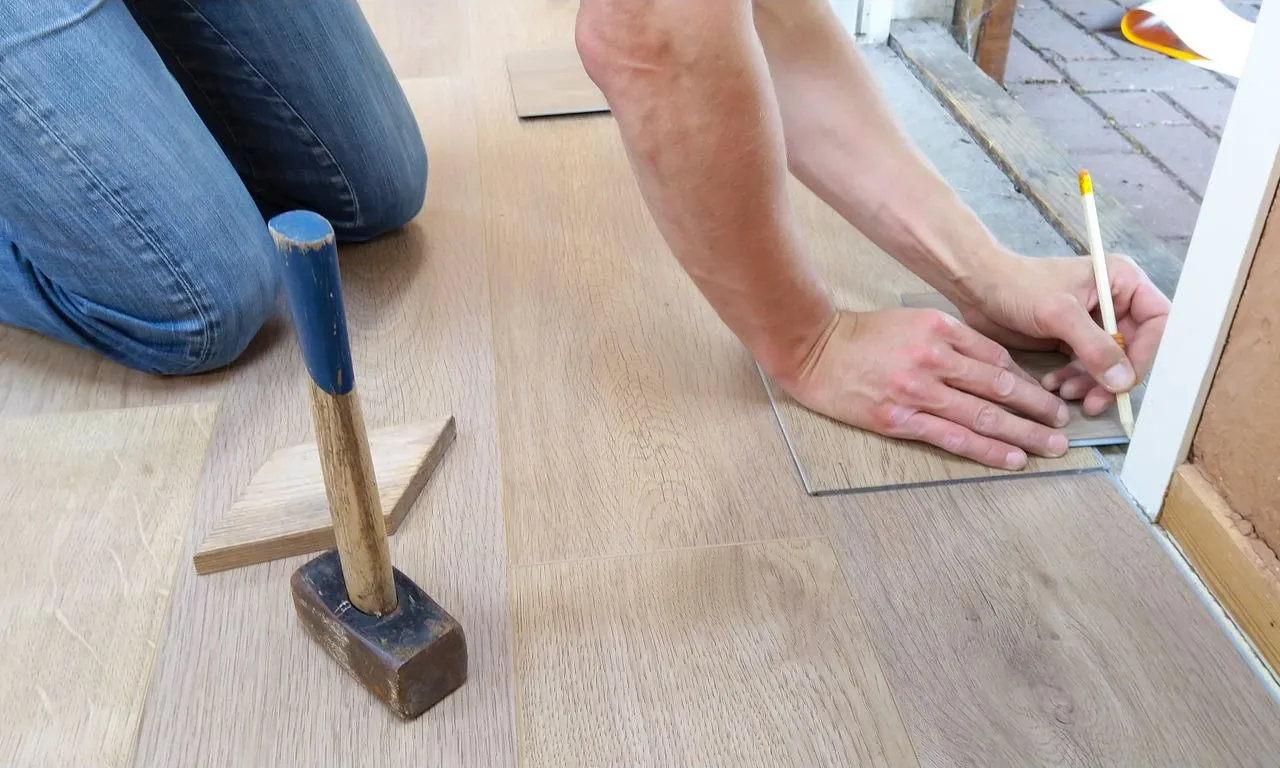
A hardwood quote should identify the exact board and its permitted installation system. Solid wood and engineered wood can require different attachment methods, substrates and expansion details. Bring the carton label and current installation instructions if you already own the material. The measure should include connections to retained floors, the intended board direction and any fixed cabinetry. Choosing these details together avoids ordering a floor that looks right in a sample but cannot be installed as expected in the rooms you want to change.
Later construction belongs in the local picture as well
The local estimate includes 26.2% of Lombard housing from 1970–1989, 17.3% from 1990–2009 and 8% from 2010 or later. That range matters when a project involves a newer building or an addition to an established home.
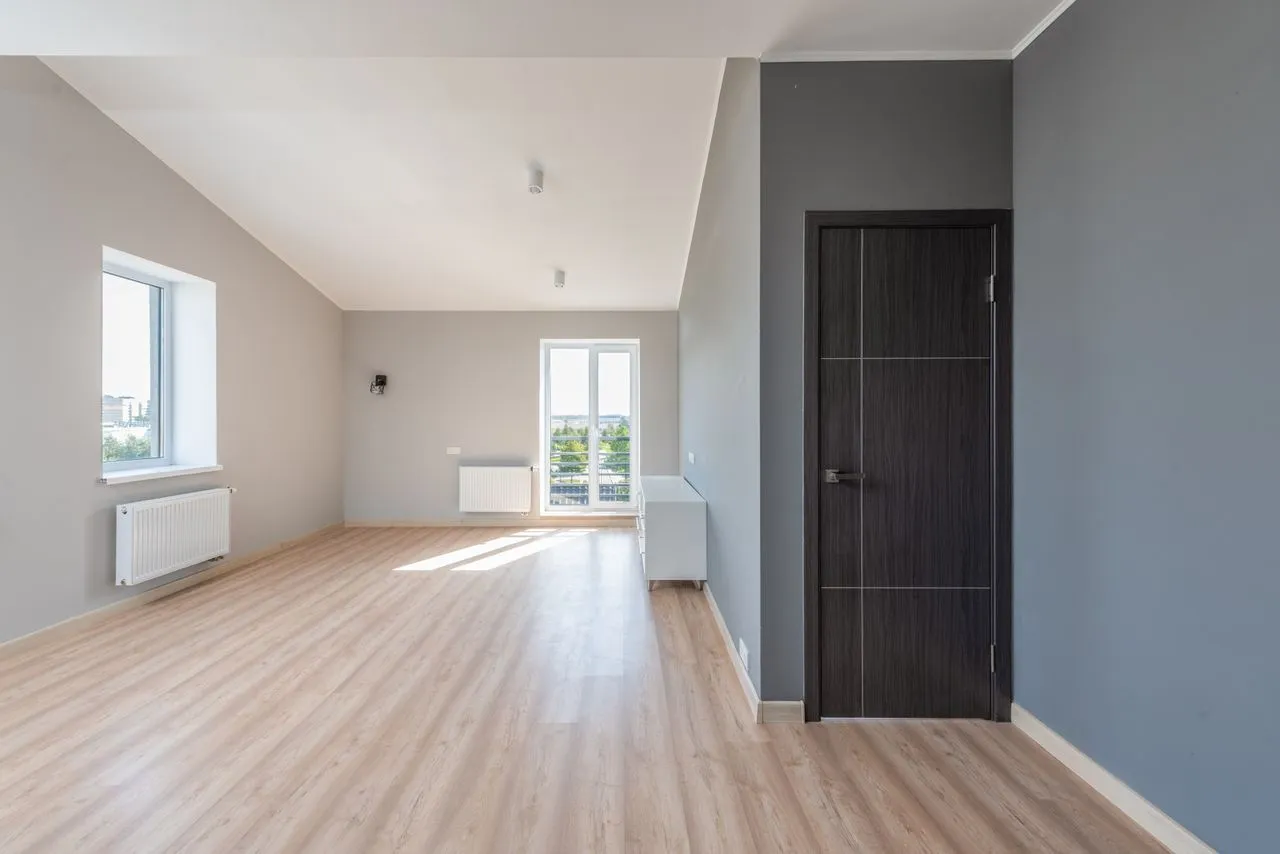
Explain what is known about the affected rooms and measure the junctions where finishes change. Even a recent room can have a clearance issue when the floor assembly changes thickness. Preparation should follow current conditions and product requirements rather than a generalized assumption that newer construction is ready for any finish.
A DuPage address still needs room-specific evidence
Lombard is in DuPage County, but the location alone cannot define a floor repair or replacement scope. For a problem area, show the exact symptom and its position beside doorways, fixtures or earlier work. For a broader renovation, mark the included rooms and the finishes that remain. Use the full property address when confirming any applicable project information. The estimate should connect that precise location to observed construction and clear boundaries, keeping general city context separate from claims about the condition or requirements of an individual floor.
Readiness is measured, rather than counted in days
Wood flooring needs an assessment of the room environment and the supporting surface before installation. Product-specific moisture and acclimation requirements control when work can proceed; a delivery date alone does not establish readiness. Identify the storage location, confirm that the intended indoor conditions can be maintained and discuss how any unsuitable conditions will be resolved. A written scope should distinguish the preparation that has been observed from work that may only become apparent after removal. Ask how additional findings are documented before they change the agreed work.
Plan the last board as carefully as the first
The edges of a hardwood installation deserve attention during the measure. Door casings, stair landings, appliance openings and adjoining floor heights can determine the transition detail. An extension into an existing wood floor also needs a realistic discussion of width, thickness and appearance; a new piece is not guaranteed to match aged material. List which trim will stay, which pieces will be replaced and who handles furniture. At handover, retain the product information and review the manufacturer’s care guidance alongside the agreed workmanship terms.
Use two distinct park settings as orientation
Lilacia Park and Four Seasons Park are verified Lombard Park District places. Four Seasons is listed at Finley Road and 16th Street and includes a pond, athletic facilities and a walking trail.
These references can help locate a flooring request, but they are parks rather than assumed residential subdivision names. Include the complete property address and the entrance used for materials. A nearby recreation site does not reveal the room’s construction or access route. Entry photographs and a simple room plan provide the practical information needed for a useful assessment.