
THE WORK BEHIND THE FINISH
What your floor repair project includes
A localized flooring problem starts with an assessment of the material and underlying cause. Flooring Contractor Chicago coordinates repair scopes for damaged boards, transitions and other defined flooring defects.
- Identify the flooring product, installation system and affected area.
- Review spare material, matching availability and visible conditions.
- Define the repair boundary and the connection to the retained floor.
- Explain access needs and any underlying issue that affects the repair.
Choosing an installation method
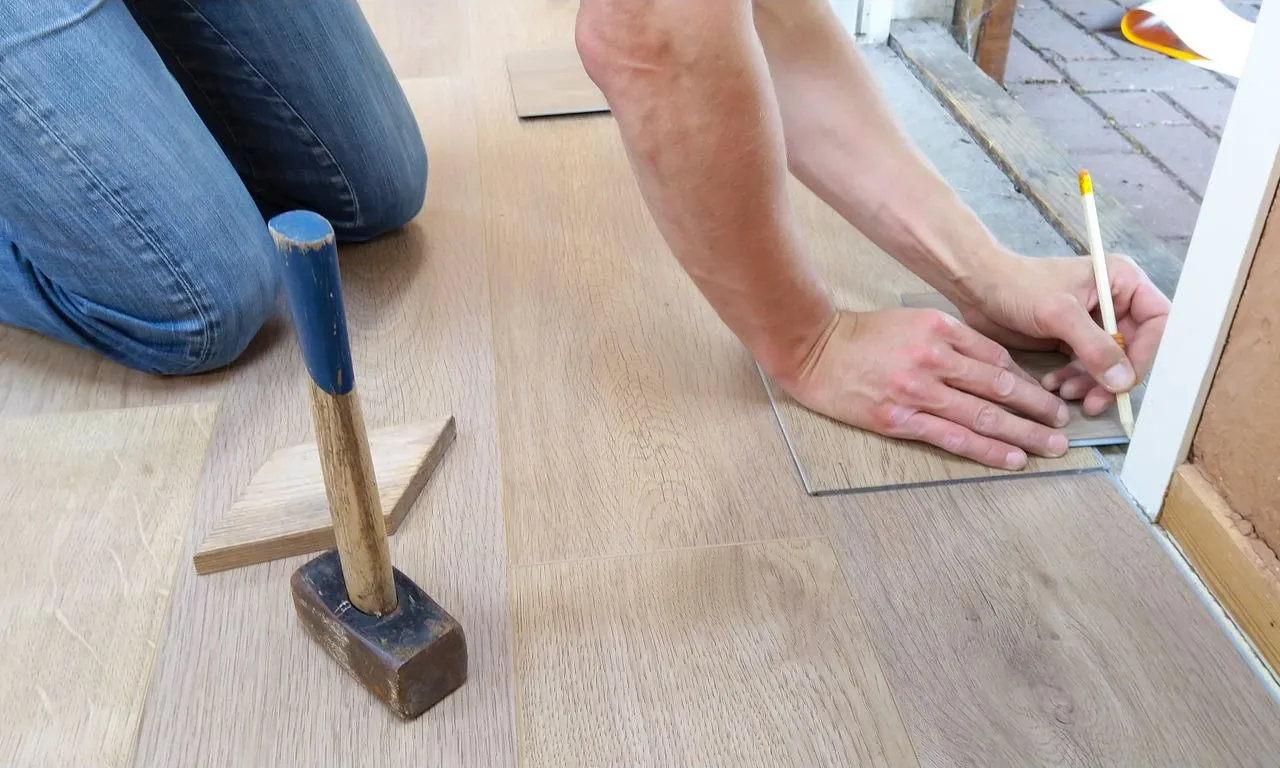
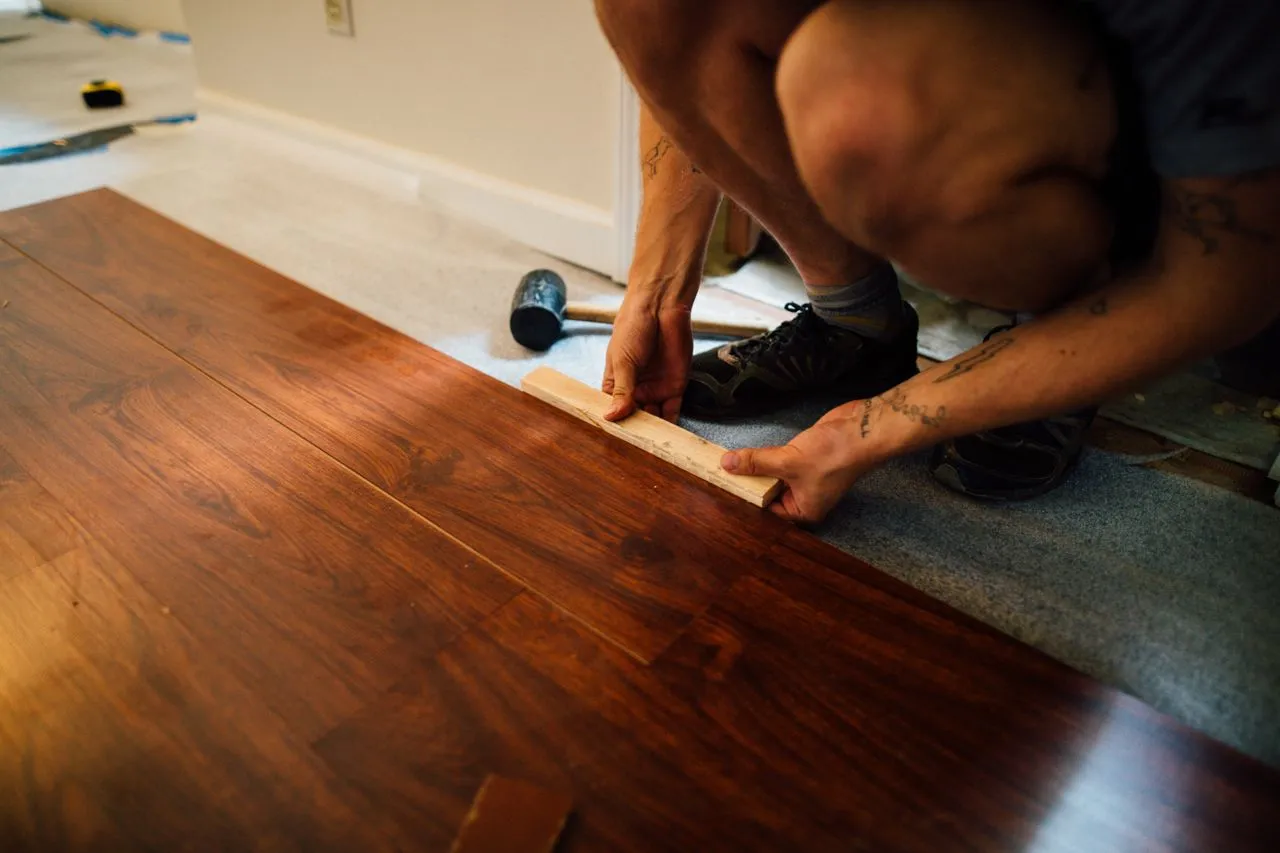
Board or plank replacement
A damaged piece may be replaceable when the system allows it and suitable matching material is available. The method depends on how the original floor is joined or attached.
Transition and edge repairs
Loose or damaged transitions need a compatible replacement and a sound attachment surface. The repair should preserve the movement requirements of adjoining floors.
Localized substrate-related work
A surface defect may involve the floor beneath it. The cause and accessible extent of the problem determine whether a localized repair is appropriate.
Where it works
Repairs may suit a defined damaged area in a home, rental unit or commercial room. A floor with widespread movement, moisture or wear needs a broader assessment. Share photos of both the damaged spot and the surrounding room.
Manufacturer installation references
armstrongflooring.com installation guidancearmstrongflooring.com installation guidancearmstrongflooring.com installation guidanceYour installation, step by step
Describe the problem
Tell us when it appeared, whether it is spreading and what product is installed.
Check matching material
Find the original label, spare pieces and any installation records.
Define a repair approach
Assess the cause, access and practical boundary of the proposed work.
Complete and review
Carry out the agreed repair and explain care or monitoring relevant to the repaired area.